
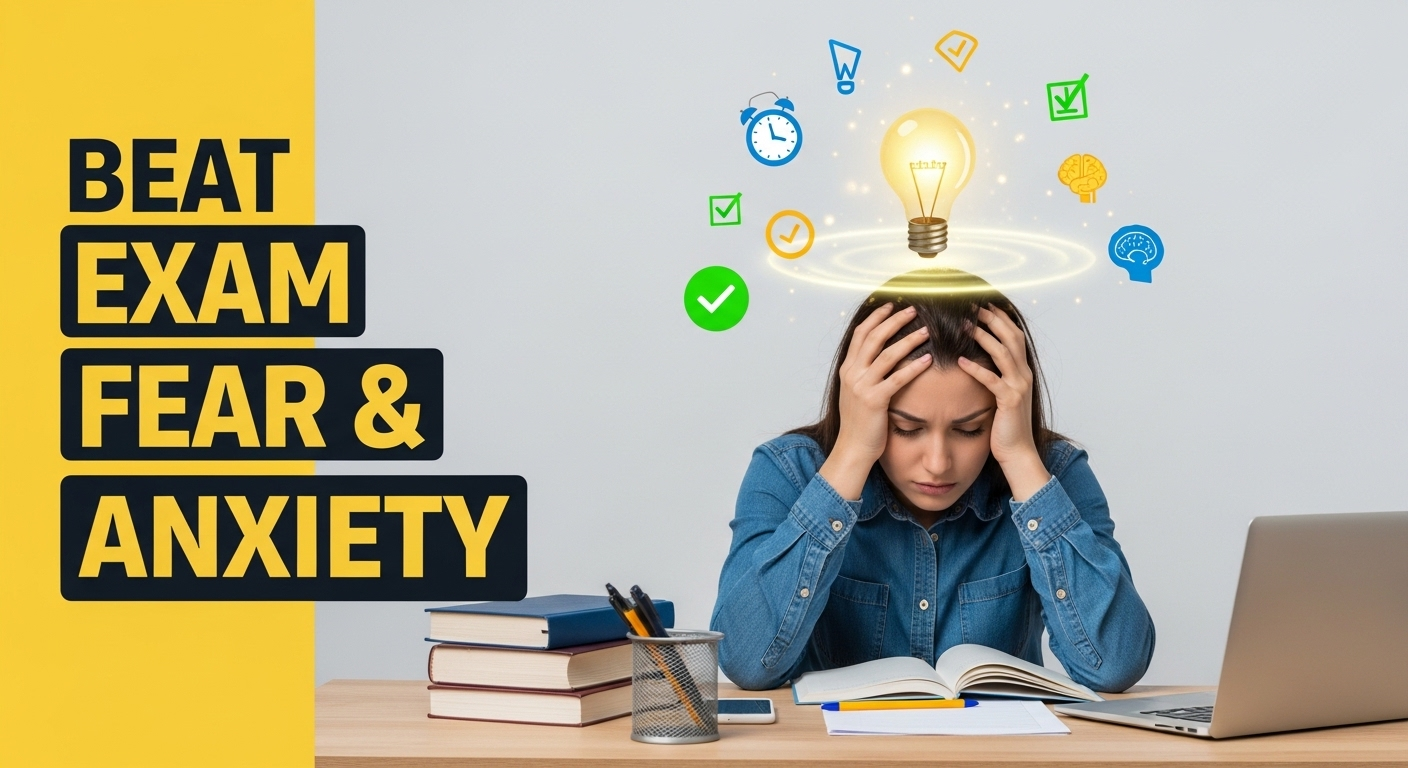
Exam fear and anxiety are common challenges for students across Pakistan. Even the best-prepared students can feel nervous before an important test, which can affect concentration, memory recall, and overall performance. The good news is that exam fear is manageable, and with the right strategies, students can stay calm, focused, and confident.
This guide provides practical, step-by-step tips to overcome exam fear and anxiety and perform your best.
Understanding Exam Fear and Anxiety
Before tackling the problem, it’s important to understand why it happens:
- Fear of failure – worrying about low grades or disappointing parents
- High pressure – societal, parental, or peer expectations
- Lack of preparation – feeling unready can increase anxiety
- Past experiences – previous poor performance can cause fear
- Stress – poor time management, distractions, or fatigue
Recognizing these causes helps students address them effectively.
Step 1: Prepare Thoroughly
Confidence comes from preparation. Well-prepared students feel less anxious.
How to prepare:
- Review all chapters and notes systematically
- Make a study timetable and stick to it
- Practice past papers and sample questions
- Focus on weak areas but don’t ignore strengths
Tip: Avoid last-minute cramming, which increases stress and anxiety.
Step 2: Practice Relaxation Techniques
Relaxation helps calm your mind and reduce physical symptoms of anxiety like fast heartbeat or sweating.
Techniques to try:
- Deep breathing exercises: inhale for 4 seconds, hold 4, exhale 4
- Progressive muscle relaxation: tense and release muscles from toes to head
- Short meditation or mindfulness sessions
Tip: Practice these daily, especially before exams, to train your mind to stay calm.
Step 3: Stay Positive and Avoid Negative Thoughts
Negative thinking increases fear and can affect performance.
How to stay positive:
- Replace “I will fail” with “I have prepared and will do my best”
- Visualize success before the exam
- Avoid comparing yourself with others
Tip: Keep a small motivational note or quote in your study area.
Step 4: Organize Study Material Effectively
Cluttered or disorganized study material can heighten stress.
Organizing tips:
- Use folders or notebooks for each subject
- Highlight important points for quick revision
- Use charts, tables, or mind maps to summarize complex topics
- Keep past papers and reference books accessible
Tip: An organized study space reduces anxiety and improves focus.
Step 5: Maintain Healthy Lifestyle Habits
Physical well-being affects mental health and exam performance.
Healthy habits to follow:
- Sleep 7–8 hours daily to improve memory and focus
- Eat nutritious meals and avoid junk food
- Exercise or take short walks to reduce stress
- Stay hydrated throughout the day
Tip: Avoid energy drinks or excessive caffeine; they can increase nervousness.
Step 6: Use Time Management Techniques
Poor time management increases last-minute panic.
Time management tips:
- Break your study sessions into manageable blocks
- Use the Pomodoro technique: 25–50 minutes study, 5–10 minutes break
- Prioritize difficult topics first, then easier ones
- Plan revision for the day before the exam
Tip: Sticking to a routine reduces anxiety and improves confidence.
Step 7: Practice Mock Exams
Simulating exam conditions reduces fear of the unknown.
How to practice:
- Time yourself while solving past papers
- Sit at a desk with no distractions
- Review answers critically to identify weak areas
Tip: Mock exams train your mind to stay calm under pressure.
Step 8: Seek Support When Needed
Talking to someone can reduce stress and anxiety.
- Discuss worries with parents, friends, or teachers
- Join study groups to share tips and resources
- Consider professional counseling if anxiety is severe
Tip: Don’t isolate yourself; support helps reduce mental pressure.
Step 9: Develop a Positive Mindset During Exam
On exam day:
- Reach the exam center early
- Avoid discussing difficult questions with friends before starting
- Read each question carefully and plan answers before writing
- Take deep breaths if you feel anxious
Tip: Focus on your preparation and ignore external distractions.
Also Read About: 10th Class Arts Group Best Study Schedule 2026
FAQs
1. What is exam anxiety, and is it normal?
Exam anxiety is a feeling of worry or fear before exams. It is normal, but manageable with proper strategies.
2. How can I calm my nerves during an exam?
Practice deep breathing, read questions carefully, and focus on one question at a time.
3. Can lifestyle changes reduce exam fear?
Yes. Adequate sleep, healthy meals, regular exercise, and hydration improve mental clarity and reduce anxiety.
4. Should I study alone or in a group to reduce fear?
Both methods work; choose what makes you feel confident. Group study helps clarify doubts, while solo study allows focus.
5. Are mock exams effective against exam fear?
Yes. Simulating exam conditions familiarizes you with the format, reduces surprises, and builds confidence.
Conclusion
Exam fear and anxiety are normal, but they don’t have to control your performance. By preparing thoroughly, practicing relaxation techniques, staying organized, managing time, and maintaining a healthy lifestyle, students can overcome anxiety and achieve better results. Confidence comes from practice, planning, and a positive mindset.
